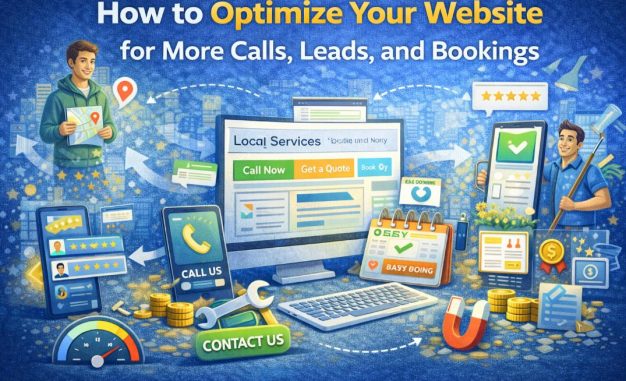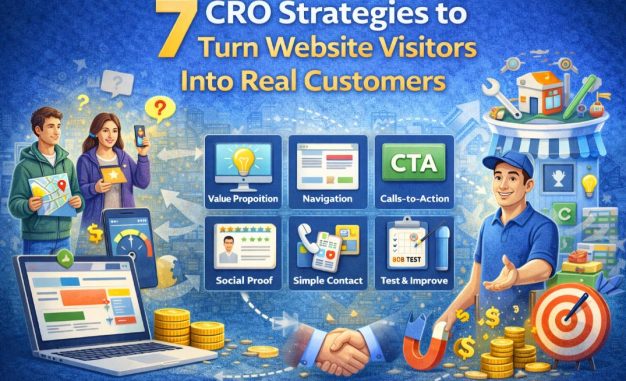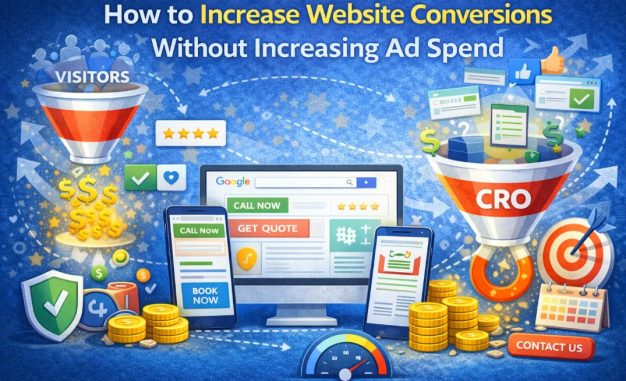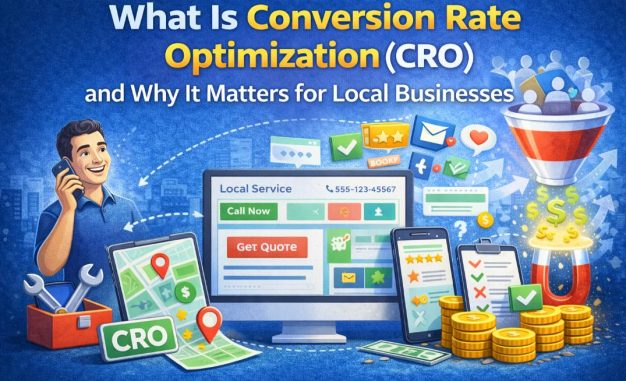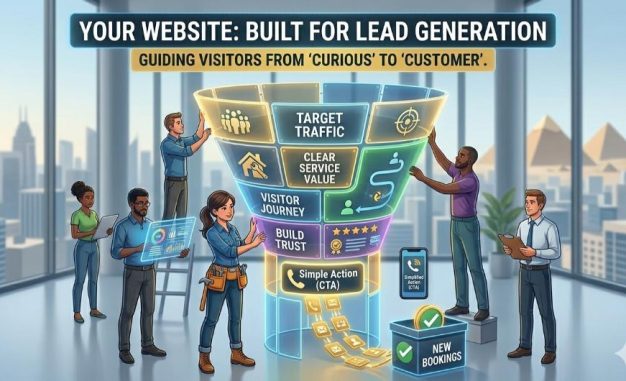

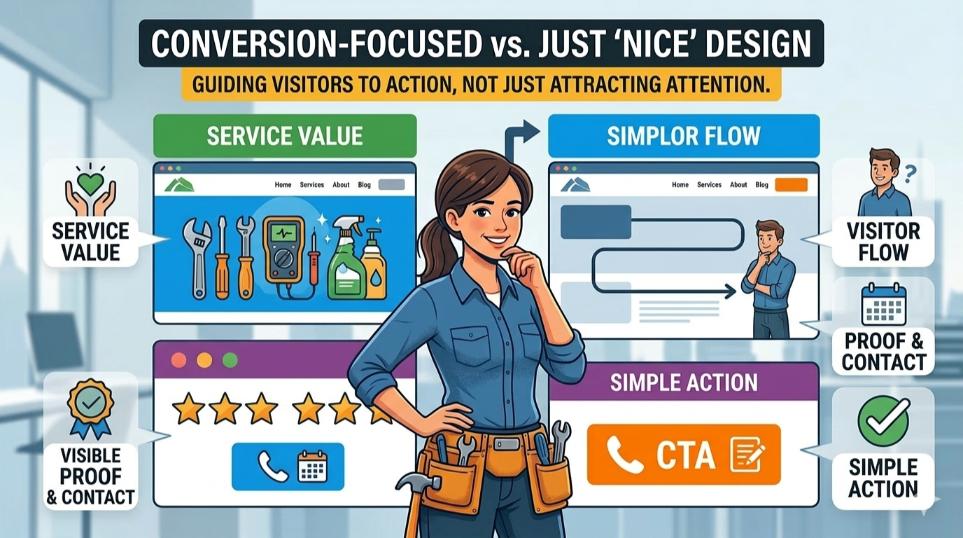
Many local businesses invest in a website hoping it will attract new customers. They focus on colors, images, and overall appearance. While good design matters, a beautiful website alone doesn’t generate leads.
What truly drives results is a conversion-focused website — a site designed to guide visitors toward taking action, such as calling your business, booking a service, or requesting a quote.
For local service businesses, the difference between a decorative website and a conversion-focused one can determine whether your website becomes a lead generation tool or simply an online brochure.
What Is a Conversion-Focused Website?
A conversion-focused website is designed with one main goal: turning visitors into customers.
Instead of focusing only on visual design, it prioritizes:
-
Clear messaging
-
Easy navigation
-
Strategic calls-to-action
-
Fast loading speed
-
Trust signals
Every element on the page serves a purpose — helping potential customers move closer to contacting your business.
Why “Nice Design” Alone Is Not Enough
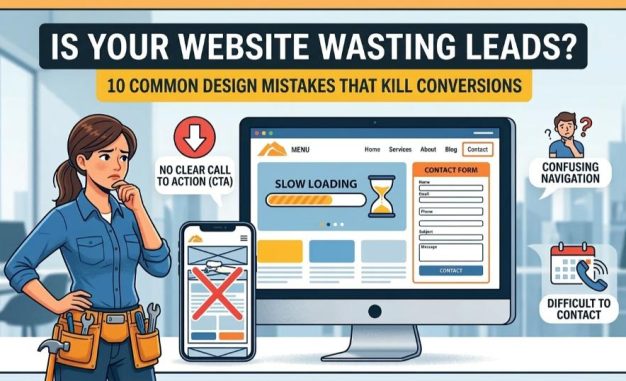
Many websites look modern but still fail to generate inquiries or calls. That’s because visual design does not automatically guide users toward action.
A website can look attractive yet still have problems such as:
-
No clear next step for visitors
-
Hard-to-find contact information
-
Confusing service descriptions
-
Slow loading pages
-
Poor mobile experience
When these issues exist, visitors often leave without contacting the business.
How Conversion-Focused Websites Generate More Leads
A well-structured website works like a digital salesperson that operates 24/7. It helps visitors quickly understand your services and encourages them to take action.
Key elements that improve conversions include:
Clear Value Proposition
Visitors should immediately understand what you offer and how it helps them. Strong messaging answers the question: Why should someone choose your business?
Strategic Calls-to-Action
Buttons like “Request a Quote”, “Book a Service”, or “Call Now” should appear in logical places across the site.
These calls-to-action guide visitors toward becoming leads.
Mobile-Friendly Design
Most local searches happen on smartphones. A responsive design ensures users can easily navigate the website, read content, and contact your business from any device.
Trust Signals
Customers want reassurance before choosing a local service provider. Including elements such as:
-
customer reviews
-
testimonials
-
certifications
-
real project photos
helps build credibility and confidence.
The Role of Website Structure in Conversions
Conversion-focused websites are carefully structured to guide visitors step by step.
Instead of random layouts, they follow a logical flow:
-
Introduce the service clearly
-
Explain how it solves the customer’s problem
-
Provide proof and trust signals
-
Present a clear call-to-action
This structure makes it easier for potential customers to make a decision.
How Conversion-Focused Design Supports Your Marketing
Your website is often the destination for traffic coming from:
-
Google Ads campaigns
-
search engine results
-
social media
-
online directories
If the website isn’t optimized for conversions, much of that traffic is wasted. A conversion-focused website ensures that marketing efforts translate into real leads and paying customers.
Final Thoughts
For local service businesses, a website should be more than just a digital presence. It should actively support growth by turning visitors into inquiries, bookings, and customers.
While a nice design can attract attention, a conversion-focused website is what truly drives business results.
Investing in a website built for performance, clarity, and user experience can significantly increase the number of leads your business receives online.