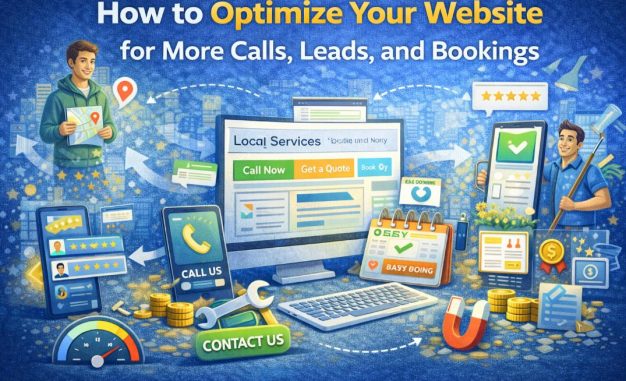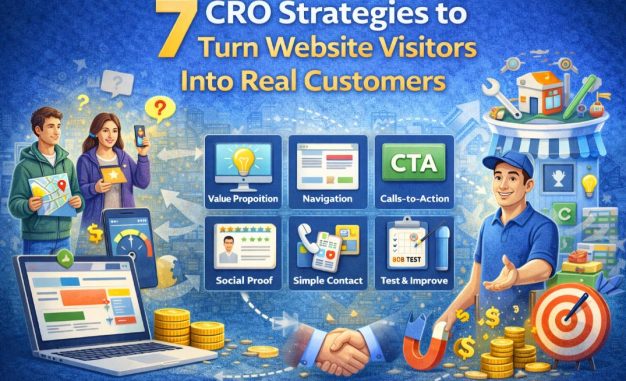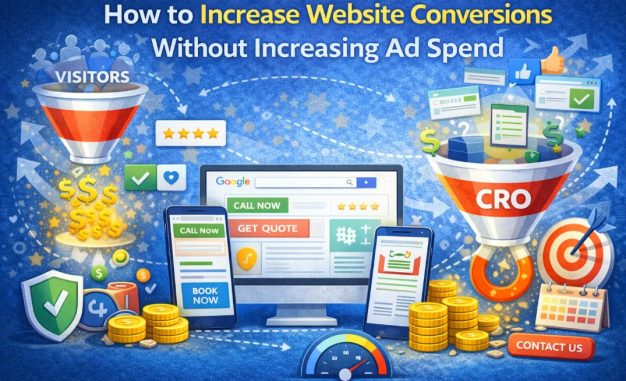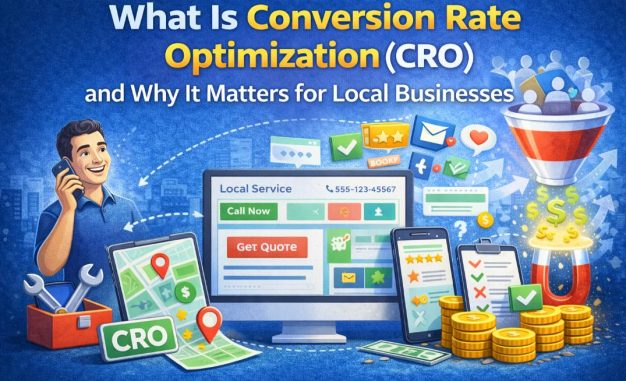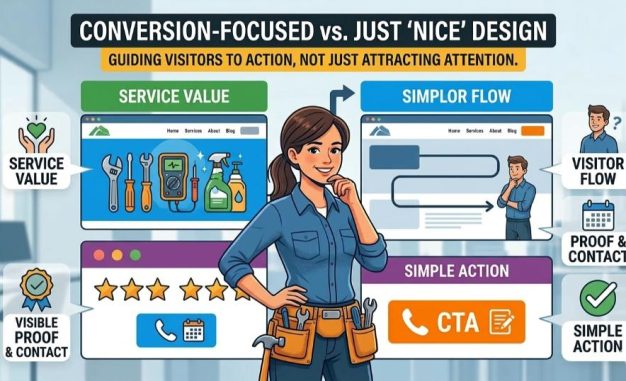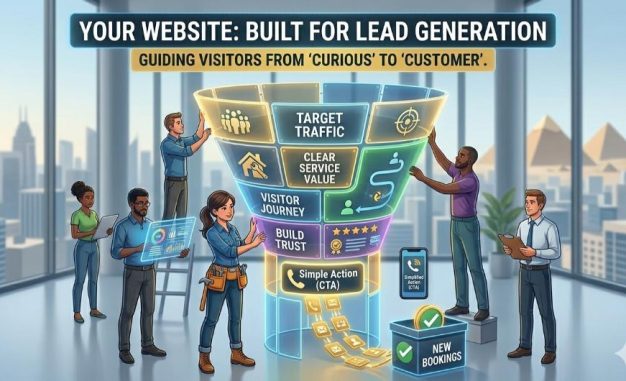

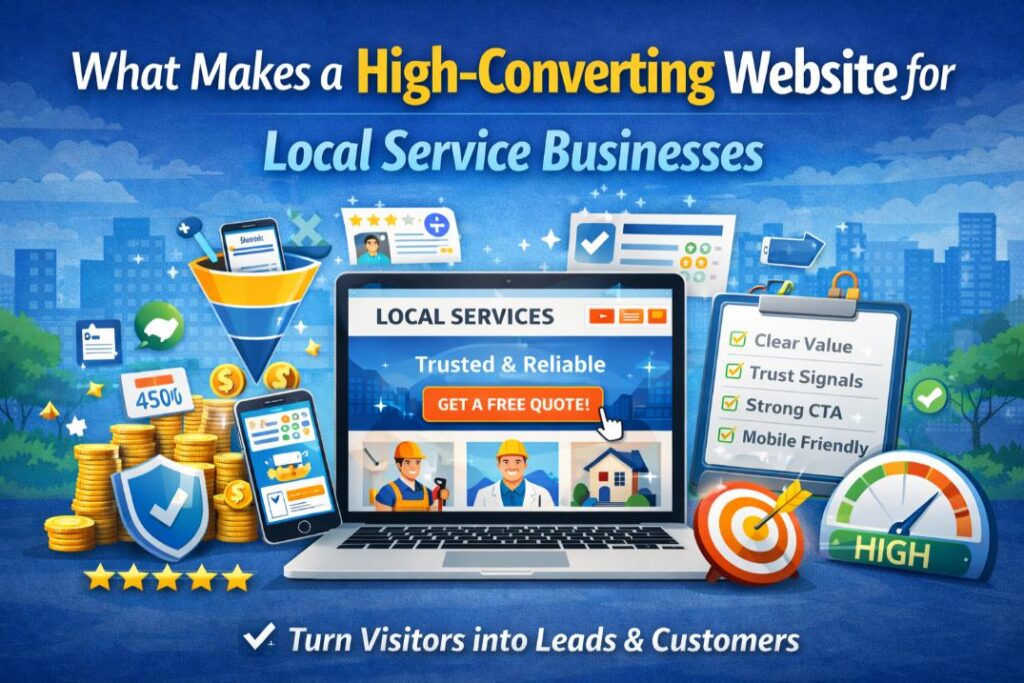
Many local service businesses invest in a website expecting more calls, bookings, and inquiries — but not every website is built to convert. A high-converting website is not just about visual design; it is strategically structured to guide visitors toward taking action. When done correctly, your website becomes a consistent source of qualified leads and real business growth.
Clear Value Proposition Above the Fold
The first section of your website should immediately answer three key questions: what you offer, who you help, and why customers should choose you. Local visitors should instantly understand that you serve their area and solve their specific problem. Strong headlines, clear service messaging, and a visible call-to-action significantly increase engagement and reduce bounce rates.
Conversion-Focused Layout and Structure
A high-converting website follows a logical structure that leads users step by step toward contacting your business. Instead of overwhelming visitors with unnecessary content, the layout highlights essential sections such as services, trust elements, and contact options. Strategic placement of call-to-action buttons, service sections, and testimonials helps turn passive visitors into active leads.
Fast Loading Speed and Mobile Optimization
Most local searches happen on mobile devices, especially when customers need immediate services. If your website is slow or difficult to navigate on mobile, potential customers will leave and choose a competitor. A high-performing website is optimized for speed, responsive across all devices, and designed for quick interactions like click-to-call and easy booking.
Trust Signals That Increase Customer Confidence
Trust plays a major role in conversion rates for local businesses. Visitors are more likely to contact a business that appears credible and established. Elements that improve trust include customer reviews, testimonials, clear contact information, service areas, and professional branding. These signals reduce hesitation and encourage faster decision-making.
Simple Navigation and User Experience
A confusing website structure can cost you valuable leads. High-converting websites prioritize simplicity, making it easy for visitors to find services, understand your process, and contact you without friction. Clear menus, organized service pages, and intuitive design improve user experience and increase the likelihood of conversions.
Strong Calls-to-Action That Drive Leads
Every high-converting website uses clear and action-oriented calls-to-action such as “Get a Free Quote,” “Book a Call,” or “Request a Service.” These prompts should be visible, compelling, and placed strategically throughout the website to capture users at different stages of decision-making.
Service-Focused Content That Matches Search Intent
Local customers search for specific services, not generic information. A high-converting website includes dedicated service pages that clearly explain what you offer, who you serve, and how customers can get started. This not only improves SEO rankings but also attracts more qualified leads who are ready to take action.
Conclusion
A high-converting website for local service businesses combines strategic design, fast performance, clear messaging, and strong trust elements to turn visitors into real customers. Instead of acting as a simple online presence, it functions as a lead generation system that supports your marketing efforts, improves conversion rates, and drives consistent, measurable growth for your business.